Current Research
Advancing our understanding of physiological plateaus through research is key to driving impactful policy changes on a global scale. Explore our current research on physiological plateaus and showcase your own projects here! We’re eager to feature the variety of physiological plateaus research happening across the globe.

Want your research featured here? Let us know!
About the PAUSEMATTERS Study
The PAUSEMATTERS Study explores natural pauses during labour and birth, so-called physiological plateaus. Such plateaus are at a high risk of being misinterpreted as ‘abnormally slow labour progress’ (labour dystocia), which contributes to an increased risk of unnecessary medical interventions and poorer birth outcomes.
The PAUSEMATTERS Study is vital, because it will generate high-quality scientific evidence of physiological plateaus that can help protect women from unnecessary interventions. The PAUSMATTERS study seeks to strengthen midwifery knowledge and practice, which is often different to bio-medical models of thinking. This study can also help validate midwives’ experiences with high-quality robust data and can generate supportive evidence for midwifery models of care (such as continuity of care in private practice) and homebirth services.

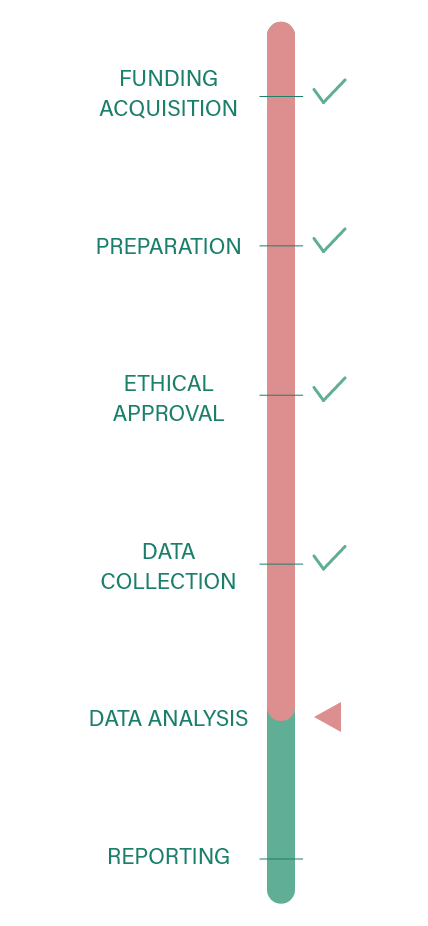
PAUSEMATTERS Study Progress

PAUSEMATTERS Research Team
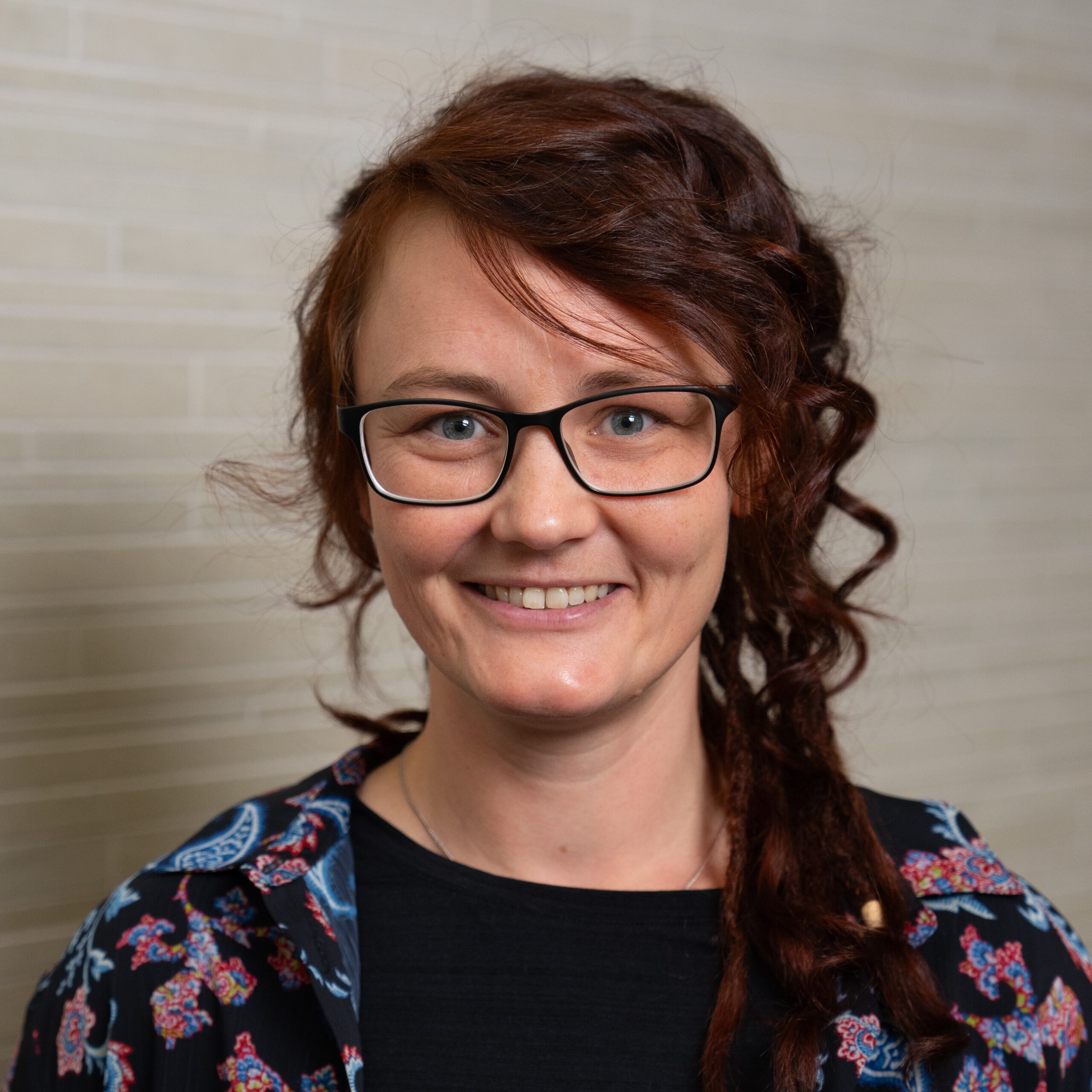
Marina Weckend
Lead Investigator
Lübeck, Germany
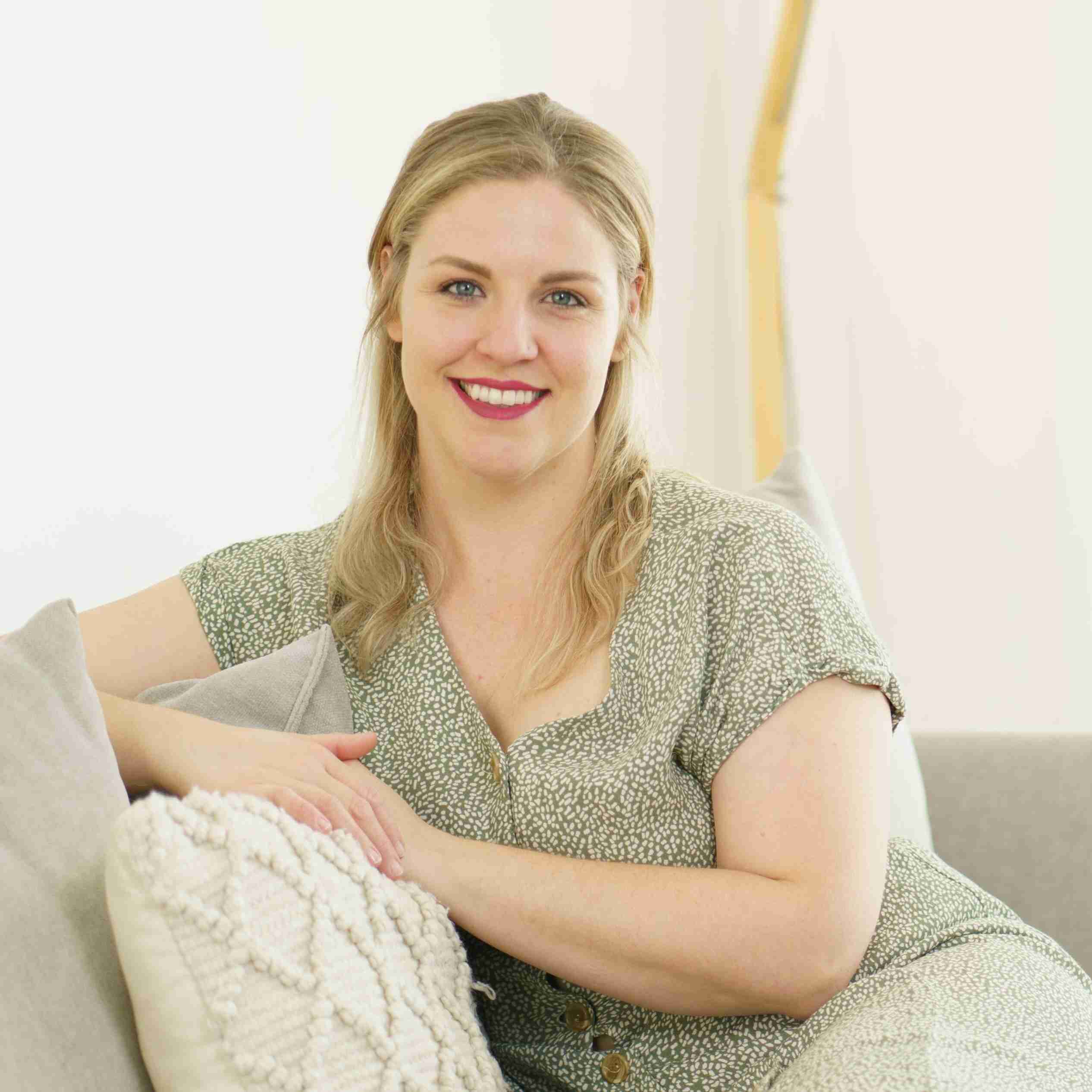
Ciara O’Brien
Research Project Officer
Perth, Australia

Clare Davison
Associate Investigator
Perth, Australia

Julia Leinweber
Associate Investigator
Berlin, Germany

Nicky Leap
Associate Investigator
Bristol, UK / Australia
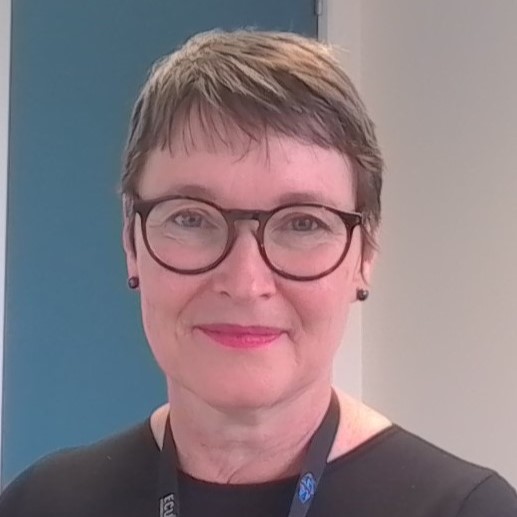
Sara Bayes
Associate Investigator
Perth, Australia

Sally Tracy
Associate Investigator
Perth, Australia

Loukia Spineli
Biostatistician
Hannover, Germany
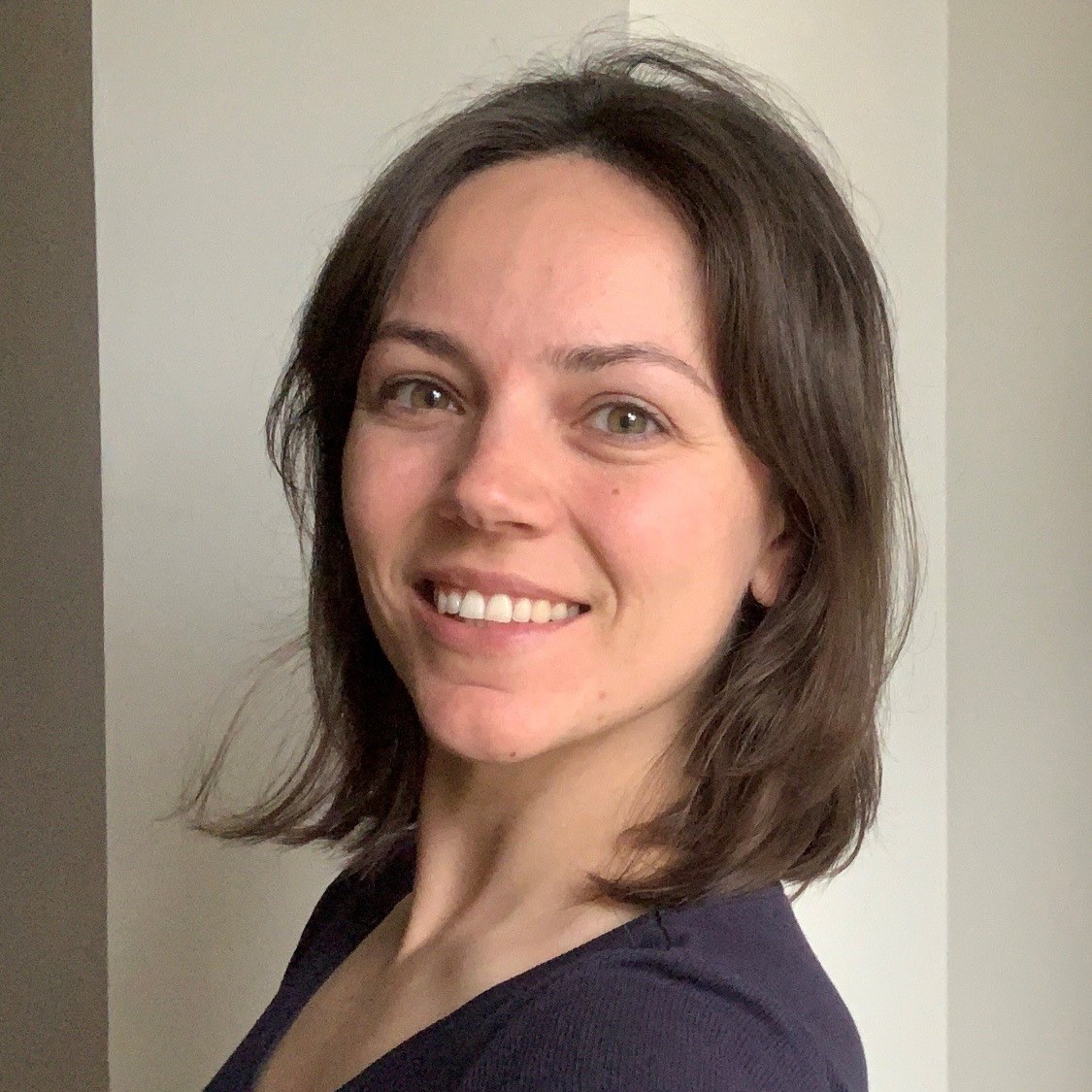
Erika Derzapf
Community Advisor
Perth, Australia
Kate Toniolo
Community Advisor
Perth, Australia

Amy Hampel
Community Advisor
Perth, Australia
Lou Gibbons
Community Advisor
Perth, Australia
Results of the PAUSEMATTERS Study
Results of the PAUSEMATTERS Study will become available in late 2026. We will start sharing early insights a bit earlier as the study progresses, so feel welcome to follow us on social media or visit this website again in a while.

About the WEPAUSE Study
Many women experience pauses during labour or a labour pattern that they (or their health provider) perceive as slow. We are conducting this research to understand how women experience pausing/slowing labour and how this affects their overall birth and maternity care experience.
The primary aim of this research is to explore women’s lived experiences of physiological plateaus during childbirth, including how these experiences affect the access to and engagement with health services in Australia.
The WEPAUSE Study has recently completed data collection in Australia and will launch in Germany soon!

WEPAUSE Study Progress in Australia

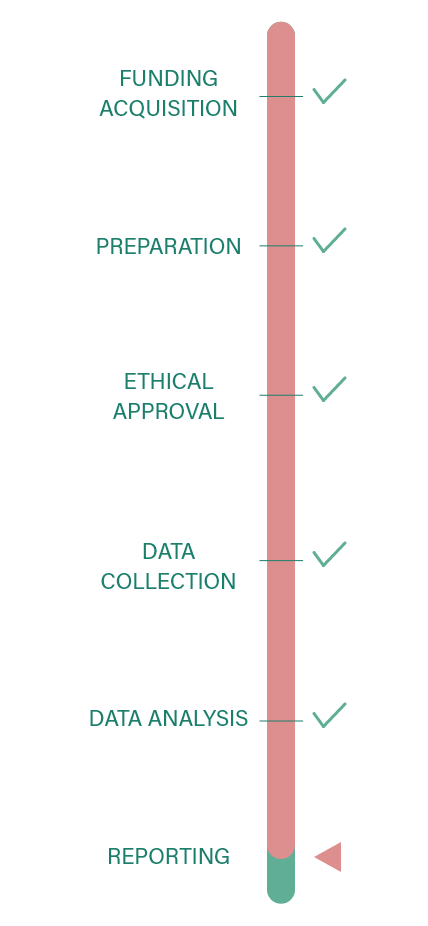
WEPAUSE Study Progress in Germany
WEPAUSE Research Team
Marina Weckend
Lead Investigator
Lübeck, Germany
Clare Davison
Associate Investigator
Perth, Australia

Hanna Gehling
Lead German Study Arm
Fulda, Germany
Ciara O’Brien
Research Assistant
Perth, Australia
Erika Derzapf
Community Advisor
Perth, Australia
Kate Toniolo
Community Advisor
Perth, Australia
Amy Hampel
Community Advisor
Perth, Australia
Kristy Fenner
Community Advisor
Perth, Australia

Anne Kasper
Associate Investigator Göttingen, Germany

Magdalena Humaj-Grysztar
Associate Investigator Kraków, Poland

Maeve Querfurt
Research Assistant Lübeck, Germany
Results of the WEPAUSE Study
Results for the WEPAUSE Study will become available soon and we have started sharing early insights at conferences in Australia and in Germany. Dissemination of findings via this website and via social media will take a little longer, commencing in late 2025. A scientific publication with all the details of this study is anticipated for 2026.
About the CervixMove Study
The CervixMove Study explores cervical reversal, also referred to as cervical recoil or pasmo. This phenomenon describes a temporary constriction of the cervix after dilation or a pause in cervical dilation.
The study aims to develop a precise working definition and establish a terminology for cervical reversal in Germany while investigating how midwives perceive and describe this phenomenon. Cervical reversal challenges the conventional understanding of labour as a linear process and is considered part of the broader concept of physiological plateaus in labour.
By examining midwives’ experiences and insights, the CervixMove Study seeks to contribute to a better understanding of cervical dynamics and support evidence-based midwifery and obstetric care. The findings may help ensure that cervical reversal is recognized, better understood, and considered in clinical and research discussions on labour physiology.

CervixMove Study Progress
CervixMove Research Team
Anna Gärtner
Lead Investigator
Tübingen, Germany
Joachim Graf
Supervisor
Tübingen, Germany
Marina Weckend
Supervisor
Lübeck, Germany
Feature Your Research Project Here
Are you researching physiological plateaus?
Consider featuring your research here for some added publicity, connection with peer researchers, or to facilitate participant recruitment. Share as much or as little as you like. Do you only have a project title and a bit of text, what your research is about? Perfectly fine. Are you keen to keep people updated of your project’s progress? Great, then let us add a project timeline for you and share your highlights with our community. No project is too small to be featured here. We want to showcase the variety of research that is happening around the globe, facilitate collaborations, and help your important project to get the publicity it deserves.
Are you a Bachelor’s, Master’s or PhD student, exploring physiological plateaus as part of your studies? You are warmly invited to share your project here. Please discuss with your supervisors which information can be shared publicly, and which information you might wish to withhold as you go. Never hesitate to reach out – we look forward to hearing from you!